
UKGC and MLB Betting: Bookmaker Regulation and Bettor Rights
 Available in US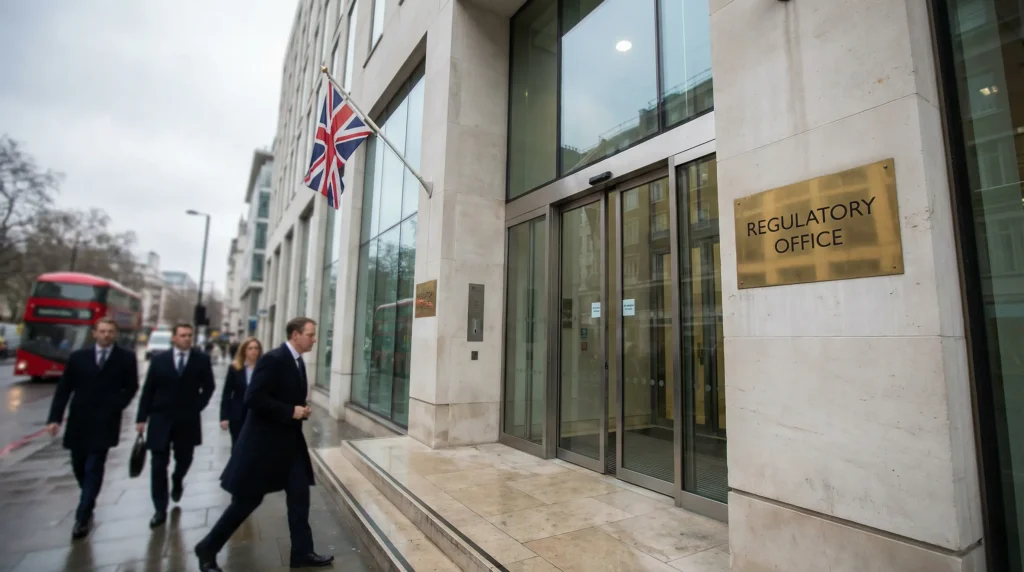
When I tell American bettors about the UK regulatory framework, they are usually shocked — shocked that we have a single, centralised regulator with real teeth, and shocked that bettors have genuine, enforceable rights. The UK Gambling Commission exists to keep the market fair, and understanding what it does and how recent changes affect your MLB betting is not just good practice — it protects your money in ways you might not realise until something goes wrong with an operator.
Gambling participation in Great Britain has held steady at 48% of the adult population, with total gross gambling yield reaching record levels. That scale means the regulatory framework must balance consumer protection with market freedom, and the Commission’s recent moves suggest the balance is shifting toward tighter consumer safeguards.
UKGC Regulations for MLB Sportsbooks
The Gambling Commission licenses and regulates all commercial gambling in Great Britain. Any bookmaker offering MLB betting to UK residents must hold a UKGC licence. Operating without one is a criminal offence. Andrew Rhodes, the Commission’s chief executive, has emphasised that the regulator sees evidence-based rulemaking as vital, noting that the introduction of new rules should take into account the views of consumers and other interested parties. That philosophy shapes how the Commission approaches regulation — cautiously, with consultation, but firmly when the evidence supports action.
For MLB bettors, the practical implications are straightforward. A UKGC-licensed operator must keep customer funds segregated from operating funds, meaning your deposited money is protected if the operator goes bankrupt. They must offer self-exclusion tools — deposit limits, loss limits, reality checks, and cool-off periods. They must handle disputes through a licensed Alternative Dispute Resolution provider. And they must not engage in misleading advertising or deceptive practices around odds and promotions.
The Commission has also invested heavily in combating the illegal online market, which Rhodes has described as “unsafe, unfair and criminal.” For UK bettors, the takeaway is simple: stick with UKGC-licensed operators for your MLB betting. The legal protections are real and meaningful, and the risk of using unlicensed offshore sites — frozen accounts, withheld winnings, no dispute resolution — is not worth the marginal odds improvement some of those sites claim to offer.
2025 Regulation Changes: Stake Limits and Vulnerability Thresholds
The Gambling Commission introduced significant new rules in 2025 that affect online betting in the UK. Online slot stake limits were set at £5 per spin for bettors aged 25 and over, and £2 per spin for those under 25, effective from April-May 2025. These limits apply specifically to slots and do not directly affect sports betting stakes, but they signal the regulatory direction — tighter controls, more granular consumer protection, and increased scrutiny of operator practices.
More relevant for MLB bettors is the financial vulnerability threshold. From 28 February 2025, the threshold for triggering financial vulnerability checks on online gambling was lowered to £150 of net losses within a 30-day period. If you cross that threshold, your operator may request additional financial information to verify that your gambling is affordable. This is not a stake limit on sports bets — you can still bet freely on MLB — but it means your operator may contact you if your losses reach that level within a month.
The vulnerability checks are designed to identify problem gambling early, and while they can feel intrusive, they are a net positive for bettor welfare. If you are a recreational MLB bettor who occasionally has a losing month, you may encounter these checks without having any gambling problem. Respond promptly and honestly, and the process is usually resolved quickly. If you find the checks triggering too frequently, it may be worth reviewing whether your staking levels are appropriate for your bankroll.
Choosing a UKGC-Licensed Operator for MLB Betting
Not all UKGC-licensed operators offer the same depth of MLB coverage. Some provide full moneyline, run line, totals, and player prop markets with competitive odds. Others offer only basic moneyline and totals with wider margins. When selecting an operator for MLB betting, I evaluate three factors: market depth, odds competitiveness, and live betting quality.
Market depth means the range of betting options available on each game. Can you bet the F5 line? Are alternate run lines available? Does the operator offer team totals and individual player props? The operators with the deepest MLB coverage are typically those with US-facing sister brands, because they can leverage the same pricing infrastructure across both markets.
Odds competitiveness is best assessed by comparison. Open the same game at three different operators and check the moneyline prices. A difference of 5-10 cents on the moneyline is common and, over a season, meaningful. I maintain accounts at three operators and take the best available price on every bet. That habit alone has added measurable value to my annual results.
Live betting quality matters if you plan to bet MLB in-play. Some UK operators offer smooth, real-time live markets on MLB with rapid settlement. Others have delayed updates, limited in-play markets, or frequent suspension of betting during key moments. Test the live experience with small bets before committing to an operator for regular in-play MLB wagering.
Responsible Gambling Tools Available to UK MLB Bettors
Every UKGC-licensed operator must provide a suite of responsible gambling tools. These are not token features — they are legally mandated and practically useful for any bettor who wants to maintain control over their activity.
Deposit limits let you cap how much money you can add to your account within a daily, weekly, or monthly period. I recommend setting a monthly deposit limit that aligns with your predetermined bankroll for the MLB season. Once the limit is hit, you cannot add more funds until the next period resets. This prevents the dangerous pattern of chasing losses by making additional deposits.
Loss limits work similarly but cap your net losses rather than deposits. Some operators also offer wager limits, which cap the total amount you can stake. Reality checks prompt you with a notification after a set period of continuous betting — typically every 30 or 60 minutes — reminding you how long you have been active and how much you have won or lost.
Self-exclusion is the most powerful tool. If you feel your MLB betting is becoming problematic, you can self-exclude from an individual operator or, through the GAMSTOP scheme, from all UKGC-licensed operators simultaneously. Self-exclusion is not a failure — it is a responsible use of the protective framework that exists precisely for this purpose. Building a sustainable MLB betting practice in the UK starts with setting these tools up before you need them, not after.
Written by the editors at DiamondEdge.
